If you own a home in Cooper Landing, winter is not something you ease into. Freezing temperatures, snow, and limited access after storms can turn a small maintenance issue into a costly repair fast. Whether you live in the home year-round, use it seasonally, or are thinking about buying in the area, understanding how to winterize properly can help you protect your property and plan ahead with confidence. Let’s dive in.
Why winterizing matters in Cooper Landing
Cooper Landing homes face long periods of freezing weather, which makes winter prep a basic part of ownership. According to NOAA climate normals for the Cooper Lake Project station, January averages are well below freezing, with a normal low of 14.9°F and a mean of 21.3°F. February stays cold too, with a normal low of 17.4°F.
That means systems like plumbing, heating, roofs, and access routes need attention before the first hard freeze. In a place like Cooper Landing, winterizing is less about convenience and more about reducing the risk of frozen pipes, heating interruptions, and hard-to-reach repair problems.
Protect plumbing before a freeze
Pipes are often one of the first trouble spots in cold weather, especially in crawl spaces, utility areas, cabins, and other spaces that are not consistently heated. The University of Alaska Fairbanks Extension recommends insulating exposed supply lines and using heat tape where appropriate. It also suggests opening cabinet doors so warm indoor air can reach pipes under sinks.
Just as important, you should know where your main water shutoff is before winter starts. If a pipe freezes or bursts, quick action matters. UAF also advises against letting faucets drip into drains as a freeze-prevention method, because slow runoff can freeze in the drain line under the home or in the ground and create a different problem.
Winterizing a vacant or seasonal home
Seasonal homes and part-time cabins need a more complete shutdown plan. UAF recommends notifying utilities, shutting off the main water supply, draining pipes and the pressure tank, draining the water heater, and turning off the fuel or power supply to the heater.
It also advises replacing standing water in sink, tub, and toilet traps with nontoxic antifreeze such as propylene glycol. That step helps protect drain traps from freezing while the home sits empty. For many Cooper Landing owners, especially those who live elsewhere part of the year, this is one of the most important parts of winter prep.
Add remote monitoring for peace of mind
If your property may be vacant during winter, a remote monitoring plan can help you catch issues early. UAF specifically notes that remote security systems with temperature and water sensors can alert owners before a minor issue turns into major damage.
That matters even more in areas where travel can be delayed after storms. If you rely on electric service, it can also help to track outages through your utility. Chugach Electric includes Cooper Landing in its South District and provides member updates through its outage tools and customer alerts.
Check heating fuel and venting systems
Winter readiness is not only about pipes. Your heating system and fuel supply need attention too, especially in a cold climate where interruptions can quickly affect the whole house.
UAF recommends keeping fuel-oil tanks as full as practical to reduce condensation and checking filters for water buildup. It also notes that propane can stop vaporizing at about minus 44°F, so propane users should verify that their tank and appliance setup are suitable and think through backup heat options. If your home relies only on electricity, UAF warns that a power outage can leave the home vulnerable if there is no standby generator.
Chimneys and flues deserve a place on your checklist as well. UAF notes that condensation can freeze and block them, so venting systems should be inspected and maintained before winter conditions intensify.
Review roof load and snow risks
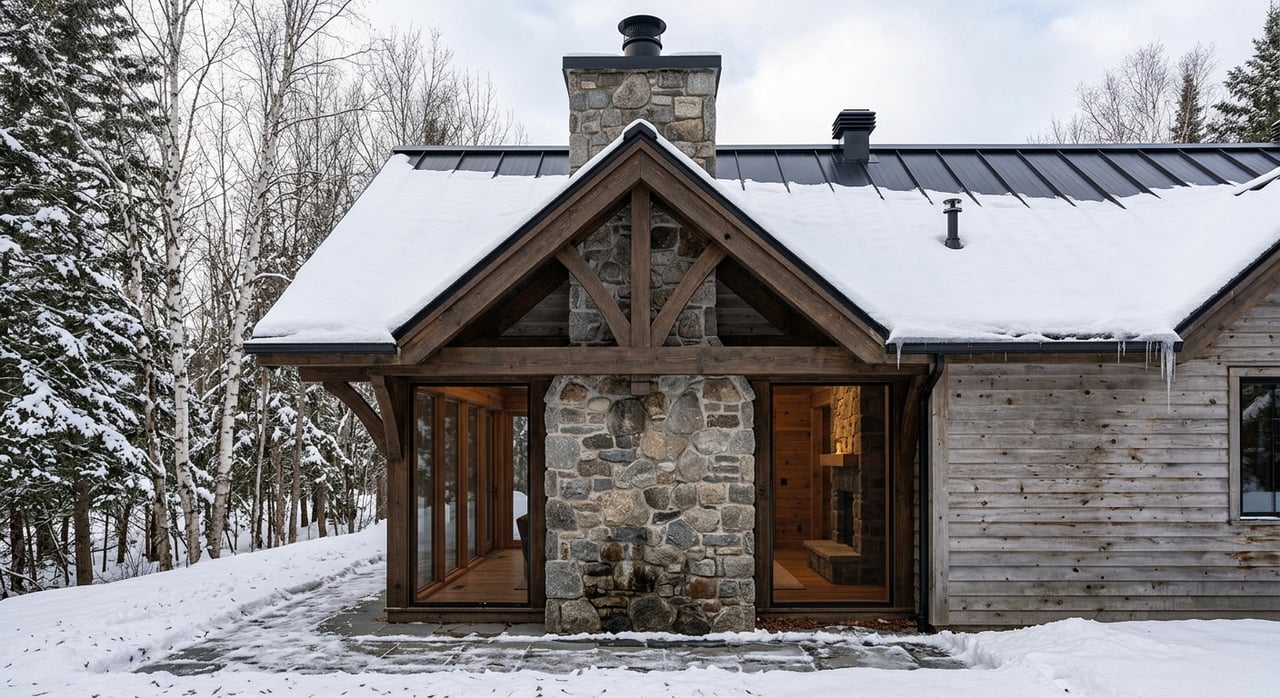
In Cooper Landing, snow on the roof is not just a cosmetic issue. The Alaska Department of Labor and Workforce Development explains that roof load depends on more than how much snow you can see. Water content, drifting, roof slope, melt-freeze cycles, and structural design all affect the actual load.
That is why older homes, cabins, additions, and properties with uncertain structural history deserve extra attention. The same state guidance notes that allowable roof load should come from the building design or code requirements. If you are buying a home and roof specs are unclear, that is a useful due diligence question to ask early.
Roof snow removal also carries real safety risks. The state warns that shoveling roofs can create fall hazards, electrical hazards, and even collapse risks, and snow should be removed uniformly rather than piled in one area. In practical terms, it is better to understand the roof’s limits before you are forced into reactive snow removal after a big storm.
Plan for winter access early
A home can be fully winterized inside and still be difficult to manage if access is limited. The Alaska Department of Transportation and Public Facilities says winter maintenance response times vary by road priority, and some routes may take 12, 18, 24, or 30 hours to clear after a storm. The state directs travelers to 511 Alaska for current road conditions.
For private driveways and approach roads, maintenance often falls on the landowner served by that access. DOT also notes it is not obligated to remove snow berms created by highway snow removal for private driveways. In Cooper Landing, that makes private plowing, fuel delivery access, and emergency entry planning important parts of winter prep.
Don’t overlook septic due diligence
If you own or plan to buy a home in Cooper Landing, the septic system deserves careful attention. The Alaska Department of Environmental Conservation notes that many homes in Alaska use septic systems and recommends reviewing design, construction, and maintenance records.
DEC also lists warning signs to watch for, including slow drains, sewage odors, wet ground over the drainfield, and gurgling plumbing. For ongoing care, the agency says septic tanks should generally be pumped every two years, with more frequent pumping in homes with features like garbage disposals, hot tubs, or whirlpools. It also advises against septic additives, noting that cold soil temperatures limit their value.
For buyers, this is not a minor box to check. Septic records, maintenance history, and visible signs of performance should all be part of your due diligence process before closing.
Well protection matters too
Private wells need year-round care, and winter is a good time to review their condition. DEC says well owners are responsible for maintaining wells in a safe and sanitary condition, including keeping the casing at least 12 inches above grade or the wellhouse floor, maintaining drainage away from the well, preserving a sanitary seal, and testing water annually for nitrate and coliform bacteria.
Because Cooper Landing is near river systems, there is another factor to keep in mind. DEC warns that wells along rivers may be damaged by ice flows and that shallow wells near rivers or flood-prone areas may face added risk, even when the wellhead itself is not flooded. Proper grading, casing height, and a tight waterproof cap all help reduce that risk.
If you have questions about wastewater or local oversight, DEC notes that the Soldotna Area Office serves Cooper Landing along with nearby communities.
A practical winterizing checklist
If you want a simple way to think about winter prep in Cooper Landing, focus on these basics:
- Insulate exposed water lines
- Use heat tape where appropriate
- Locate the main water shutoff
- Fully winterize vacant or seasonal homes
- Add temperature and water-leak monitoring
- Check fuel tanks, filters, vents, and chimneys
- Review roof load limits and snow-removal plans
- Arrange private plowing if needed
- Confirm driveway and delivery access
- Review septic records and maintenance
- Inspect well conditions and schedule annual water testing
What buyers should ask before purchasing
If you are considering a Cooper Landing property, winterizing is also a buying decision issue. You will want to understand how the home performs in freezing weather, how access is handled after storms, and whether systems like septic, wells, and roof structures have been documented and maintained.
A few practical questions can go a long way:
- Has the home been used year-round or seasonally?
- What is the winterization process when the property is vacant?
- Are there records for the septic system design, construction, and pumping history?
- Is the well maintained and tested annually?
- What type of heating system and fuel source does the home use?
- Is there backup heat or backup power?
- How is the driveway maintained in winter?
- Are roof load specs or structural details available?
These questions help you look beyond the listing photos and understand how the property functions in real Alaska conditions.
Winter prep supports smarter ownership
Winterizing a Cooper Landing home is really about staying ahead of problems. The homes that fare best are usually the ones with a clear plan for plumbing, fuel, roof load, access, and monitoring before the weather turns.
If you are buying, selling, or evaluating a seasonal property on the Kenai Peninsula, local guidance matters. Working with someone who understands the realities of access, utilities, and property systems can make your next move a lot smoother. If you want help navigating Cooper Landing and other Kenai Peninsula properties, connect with Gina Pelaia.
FAQs
What should you do to winterize plumbing in a Cooper Landing home?
- Insulate exposed supply lines, use heat tape where appropriate, open cabinet doors so warm air can reach pipes, and know where the main water shutoff is before freezing weather arrives.
How should you winterize a vacant Cooper Landing cabin or seasonal home?
- Shut off the main water supply, drain pipes and the pressure tank, drain the water heater, turn off fuel or power to the heater, and replace standing water in traps with nontoxic antifreeze such as propylene glycol.
Why does roof snow matter for Cooper Landing homes?
- Roof load depends on snow weight, drifting, water content, melt-freeze cycles, roof slope, and structural design, so owners should understand load limits before winter and treat snow removal as a safety issue.
What should buyers know about septic systems in Cooper Landing homes?
- Buyers should review septic design and construction records, check maintenance history, watch for warning signs like slow drains or sewage odors, and understand that DEC generally recommends pumping septic tanks every two years.
What should homeowners know about private wells in Cooper Landing?
- Owners are responsible for keeping wells sanitary, maintaining proper casing height and drainage, preserving a tight seal, and testing water annually for nitrate and coliform bacteria.
How can winter road access affect a Cooper Landing property?
- State winter response times vary by road priority, and private driveway maintenance is generally the owner’s responsibility, so it is important to plan for plowing, deliveries, and access after storms.