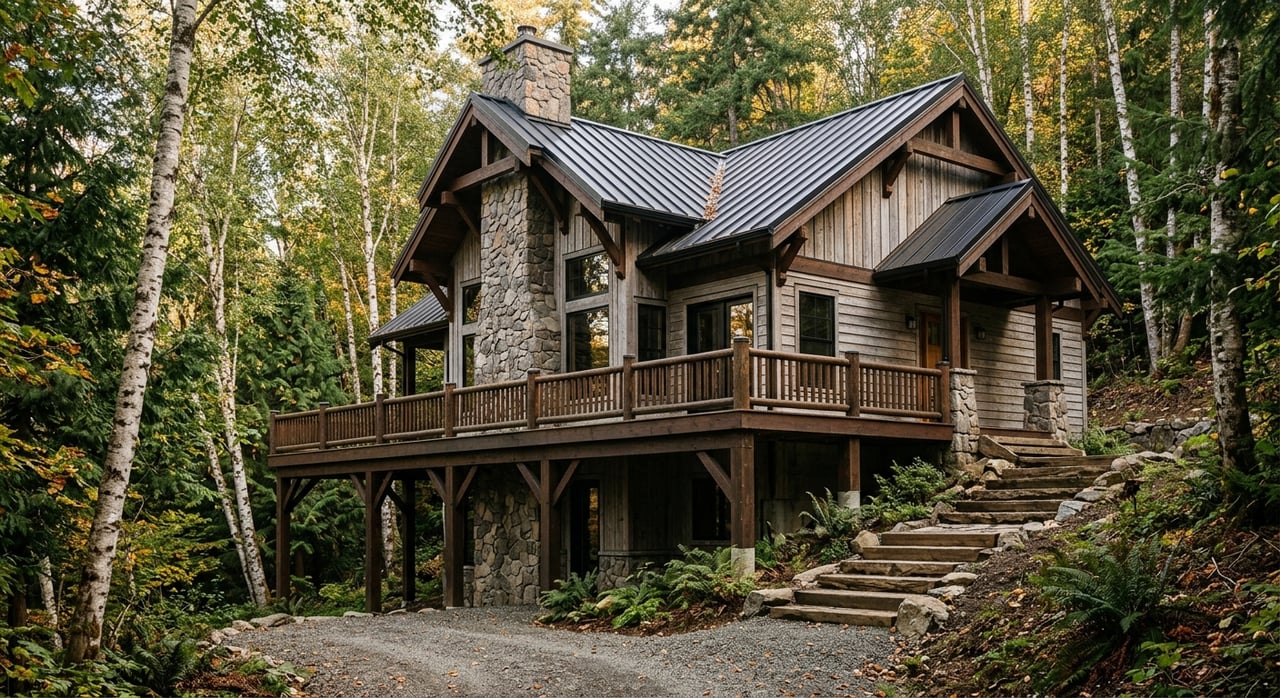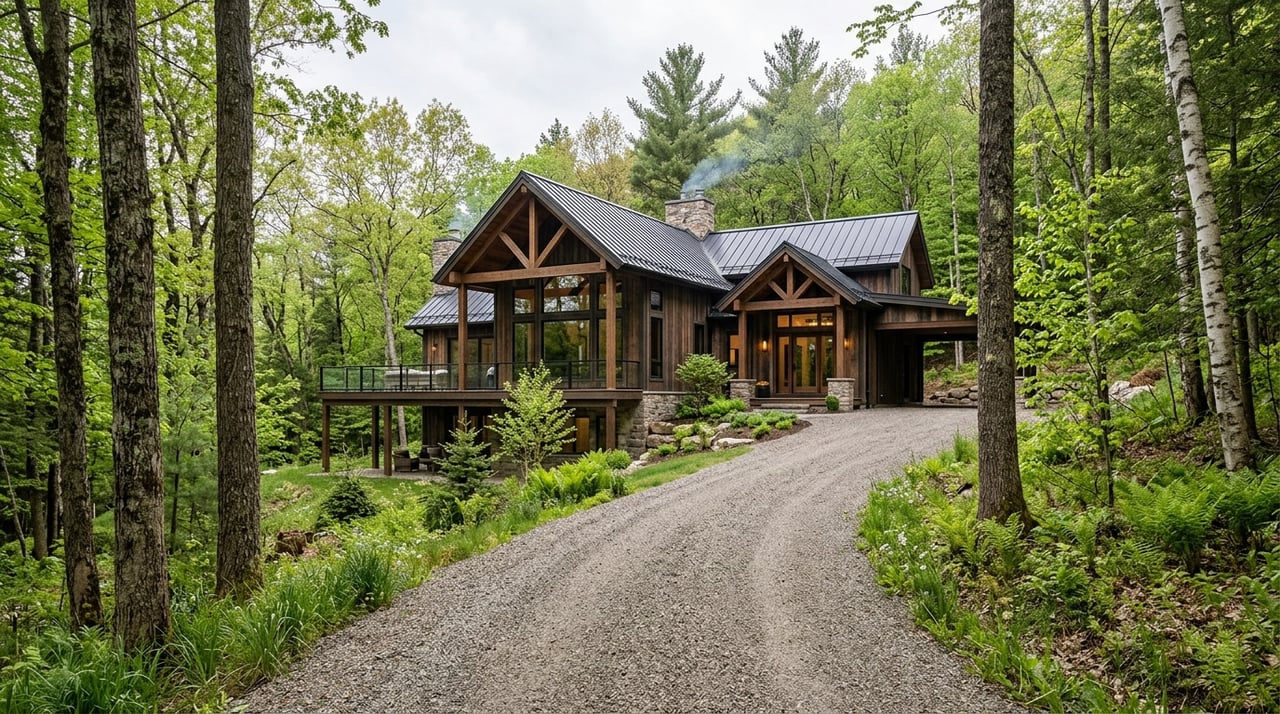
Dreaming about a few private acres outside Homer? It is easy to fall in love with the view, the space, and the possibilities. But buying land on the South Kenai Peninsula also means looking closely at access, utilities, permits, and recorded restrictions before you move forward. If you want to buy with confidence, this guide will walk you through the key issues to check before you make an offer. Let’s dive in.
Start With Location and Jurisdiction
One of the first questions to answer is whether the parcel is inside the City of Homer or in the Kenai Peninsula Borough rural district. That single detail can shape the permit process, timeline, and what land-use rules apply.
In the borough rural district, land use is generally not heavily restricted unless an overlay district or a Local Option Zoning District applies. Inside Homer city limits, the city uses its own Title 21 process and requires zoning permits before clearing or new construction. Some projects that need a conditional use permit can add at least two months to the timeline.
Why Local Option Zoning Matters
Around Homer, Local Option Zoning Districts can affect how predictable future land use may be in a subdivision. The borough says these districts can be created in new or existing subdivisions with 12 or more contiguous lots through a defined owner-driven process.
If you are buying acreage because you want flexibility, or because you want more structured land-use expectations nearby, this is worth checking early. It can give you a clearer picture of how the surrounding area may be governed.
Read the Recorded Documents First
With land, what you see on site is only part of the story. In Alaska, recorded plats, survey notes, easements, and covenants often matter just as much as the physical condition of the parcel.
The Alaska Department of Natural Resources advises buyers to review recorded survey plats, plat notes, and land records before making an offer. These records can reveal setbacks, utility easements, trail or road easements, subdivision restrictions, and other conditions that may affect what you can do with the land.
A Parcel Is Defined by the Plat
A brushed path or informal driveway does not necessarily define legal access. DNR notes that parcels are legally defined by survey monuments and recorded plats, not by what appears to be used on the ground.
That is why a title review should go beyond the current deed. Older recorded documents, access language, liens, and subdivision notes can still affect the property today.
Confirm Legal Access and Road Maintenance
Access is one of the biggest issues with acreage around Homer. A parcel may look reachable, but the real question is whether access is legal, usable, and practical year-round.
The Kenai Peninsula Borough Road Service Area maintains more than 645 miles of roads, including roads in the Anchor Point and Homer corridor. But not every road is in the borough maintenance program. For a road to be certified into that program, it must meet specific standards and recorded-plat requirements.
Ask Who Maintains the Road
For rural land and private subdivisions, you will want to confirm whether the road is borough maintained or privately maintained. That can affect snow removal, surface condition, and your long-term costs.
If the road is private, ask for as much detail as possible about maintenance arrangements. This is especially important if you are buying from out of state or planning seasonal use.
Check Driveway and Right-of-Way Rules
Inside Homer city limits, the city requires a permit before a street right-of-way can be used for access or a driveway approach. Public Works also coordinates utilities and water or sewer connections within city rights-of-way.
That means road frontage alone is not enough. You should also verify whether a driveway permit, culvert work, or right-of-way approval will be needed before you can build.
Older Access Layers Can Still Matter
DNR warns buyers to look for section-line easements and older RS 2477 rights-of-way. These can affect access across or near a parcel, even if they are not obvious when you visit.
For Homer-area acreage, those historic access layers can matter more than the track that is currently being used. This is one reason a recorded-access review is such an important part of land due diligence.
Know Your Water and Sewer Plan
Before you buy land, make sure you understand how the property will be served. Some parcels near Homer may be connected to city utilities, while others will rely on private wells and onsite wastewater systems.
The City of Homer does have public water and sewer infrastructure and says it is extending service into areas identified in the land-use plan. Still, buyers should confirm whether a specific parcel is actually within a service area.
Private Wells Need Early Review
If the parcel is not on city water, Alaska DEC says the private well owner is responsible for sampling and testing water quality. The state does not sample, test, or regulate private well water quality for private owners.
DEC recommends at least annual nitrate and coliform bacteria testing, with arsenic testing in some areas. The agency also advises owners to keep well logs, pump test records, and water-test results because missing records can create problems later in a sale or financing process.
New Wells Need Research Too
If you plan to drill a well, DEC advises buyers to review nearby wells, contamination history, and the WELTS well-log system before moving forward. Well placement should also account for minimum separation distances and nearby contamination sources.
In practical terms, that means water due diligence should start before contingencies are removed. It is much easier to evaluate feasibility early than to solve a water problem after closing.
Verify the Septic Situation
Septic is another major checkpoint for acreage buyers around Homer. A parcel may appear ready for a home, but that does not mean an existing system is documented or that the site is suitable for a new conventional system.
Alaska DEC says onsite wastewater systems are documented through a Documentation of Construction process. If no document exists, a buyer or lender may need an engineer to inspect the system and report on it.
Re-Plats Can Affect Septic Compliance
DEC also notes that lot-line changes can affect underground septic components, even if nothing looks different at the surface. If a property has been subdivided or re-platted, septic verification becomes even more important.
This is one area where timing matters. DEC’s guidance for real estate transactions is clear that buyers should start septic and well due diligence early, especially if financing depends on proving the system is documented and functioning.
Review Flood, Wetlands, and Coastal Hazards
Homer’s setting is part of what makes buying land here so appealing. It also means some parcels need extra review for flood hazards, wetlands, erosion, or tsunami planning.
The city says mapped coastal flood hazard areas require a Flood Development Permit for construction. Homer also participates in the National Flood Insurance Program, and some shoreline areas are mapped as VE zones where wave action is part of the risk profile.
Wetlands Can Limit What You Build
The city’s planning department says filling or building in wetlands requires a permit from the U.S. Army Corps of Engineers. Buyers are also directed to use the Kenai Peninsula Borough Land Cover Viewer wetlands layer to help determine whether a site may be affected.
If you are considering bluff property, waterfront land, or lower-elevation acreage, ask early about erosion information and tsunami evacuation mapping as well. These issues do not automatically rule out a purchase, but they can affect design, permits, and cost.
Understand Your Financing Options
Financing raw land is often different from financing an existing home. That is why it helps to talk with a lender early about how the parcel may be classified and what type of loan may fit your plans.
USDA’s Section 502 Guaranteed Loan program can be relevant for low- and moderate-income households purchasing, building, improving, or relocating a dwelling as a primary residence in an eligible rural area. USDA says qualifying borrowers can receive 100% financing, and the program also includes a construction-to-permanent single-close option for approved lenders and builders.
Owner-Occupant Plans Matter
For buyers who want land for a future primary residence, USDA programs may be worth exploring. For buyers purchasing vacant land strictly as an investment, those same programs may be less useful because of the primary-residence requirement.
No matter which loan type you pursue, larger down payments may improve approval odds and pricing, and buyers should budget for closing costs and other upfront expenses. Asking about financing before you shop too far ahead can save time and reduce surprises.
A Smart Pre-Offer Land Checklist
Before you write an offer on land or acreage around Homer, try to confirm these items:
- Whether the parcel is in Homer city limits or the Kenai Peninsula Borough rural district
- Whether any Local Option Zoning District, overlay, or subdivision restrictions apply
- The recorded plat, easements, setbacks, covenants, and access notes
- Whether the road is in the borough maintenance program or privately maintained
- Whether a driveway permit or right-of-way approval will be required
- Whether water will come from city service, a private well, or a future well
- Whether the septic system is documented, needs engineer review, or will require a new install
- Whether flood hazards, wetlands, erosion, bluff conditions, or tsunami mapping affect the parcel
- Whether your lender can finance the property based on your intended use
Why Local Guidance Helps
Buying acreage around Homer can be exciting, but the details matter. A beautiful parcel can still come with access issues, utility questions, or permit requirements that change your timeline and budget.
When you work with someone who understands Homer, Anchor Point, and the wider South Kenai Peninsula, you can ask better questions before you commit. That local insight can be especially valuable if you are relocating, buying from out of state, or comparing multiple land options at once.
If you are exploring land or acreage around Homer and want practical, local guidance, Gina Pelaia can help you sort through the details and move forward with confidence.
FAQs
What should you check before buying land around Homer?
- Confirm jurisdiction, recorded access, road maintenance, water source, septic documentation, and any flood or wetlands concerns before removing contingencies.
Does land in Homer have different rules than land outside city limits?
- Yes. Parcels inside Homer city limits follow the city’s Title 21 process and may require zoning permits before clearing or new construction, while borough rural district land is generally less heavily regulated unless a specific zoning overlay applies.
How do you verify legal access to acreage on the Kenai Peninsula?
- Review the recorded plat, easements, deed language, and DNR land records, and check for section-line easements or older RS 2477 rights-of-way that may affect access.
Can you get city water and sewer on land near Homer?
- Some parcels may have access to city water and sewer, but availability depends on whether the property is actually inside a service area, so buyers should confirm that early with the city.
What if a Homer-area parcel uses a private well and septic system?
- You should request well logs, water-test results, and septic documentation early, because DEC says private well owners are responsible for testing and undocumented septic systems may require engineer review.
Do flood zones and wetlands affect Homer land purchases?
- Yes. Some coastal flood hazard areas require a Flood Development Permit, and building or filling in wetlands requires a permit, so these should be reviewed before finalizing your purchase.
Are there financing options for buying land around Homer to build a home?
- Possibly. USDA programs may help eligible buyers who plan to build or buy as a primary residence in an eligible rural area, but financing options depend on the parcel and your intended use.