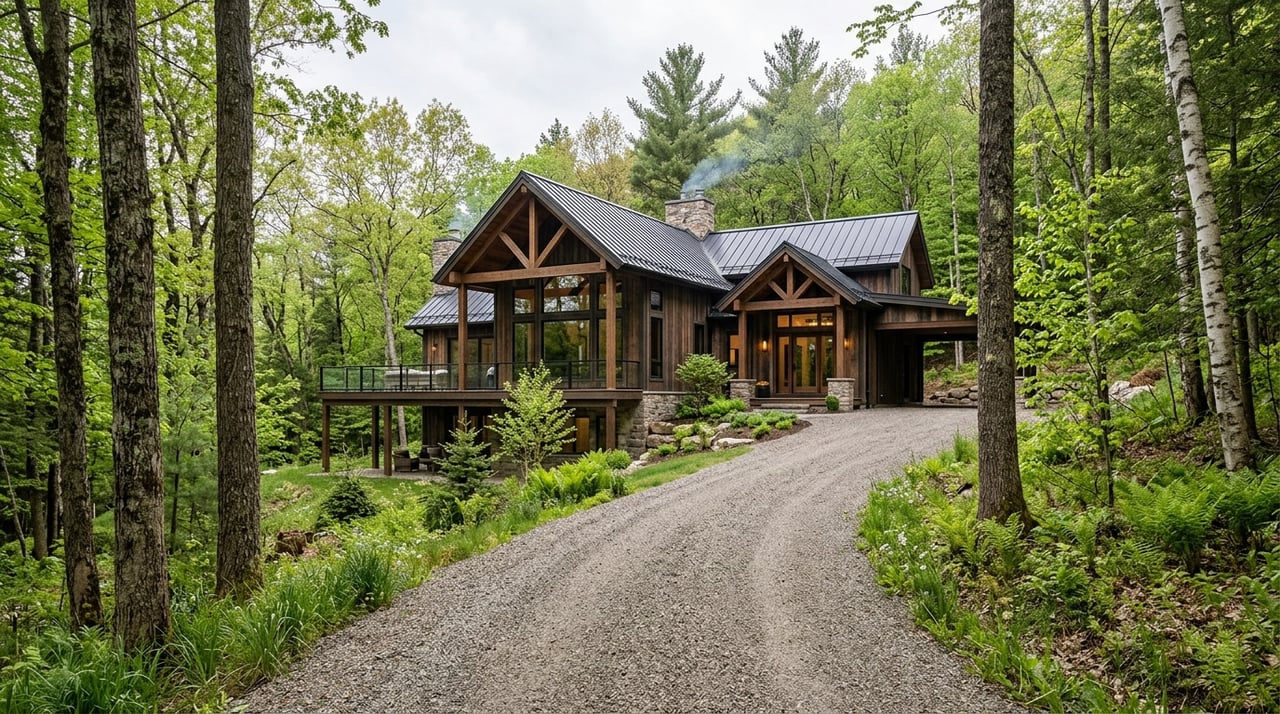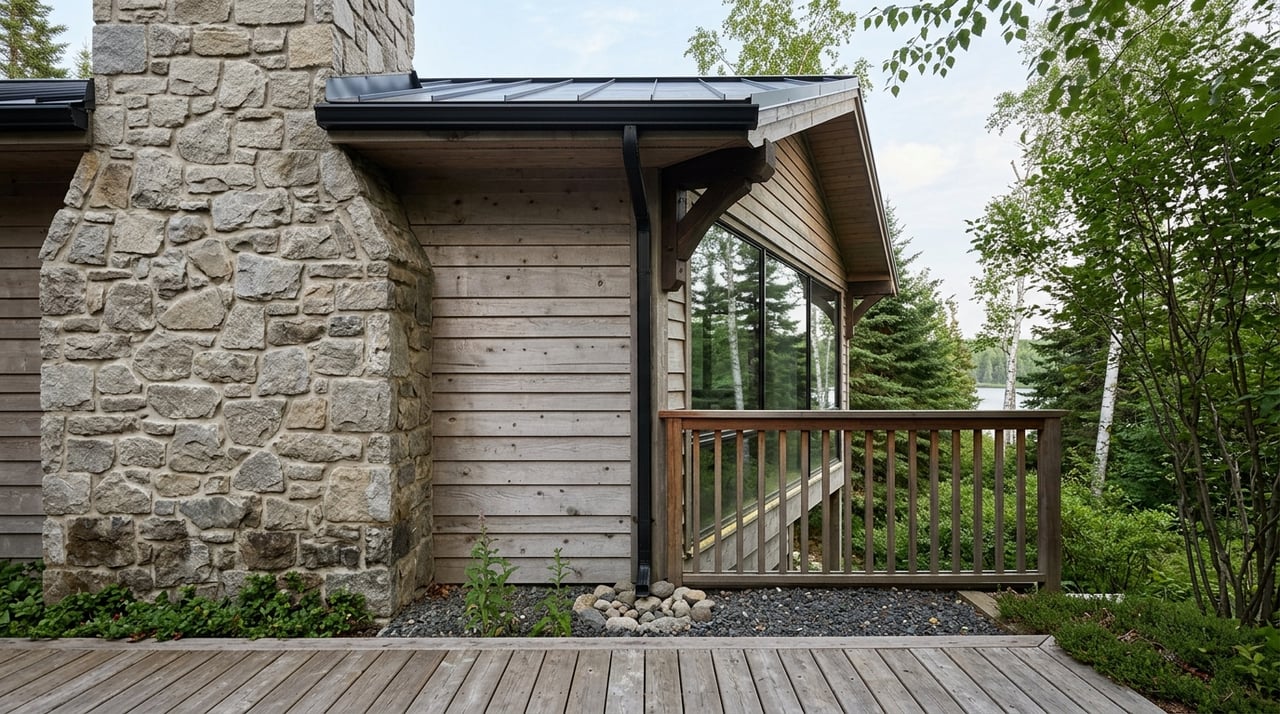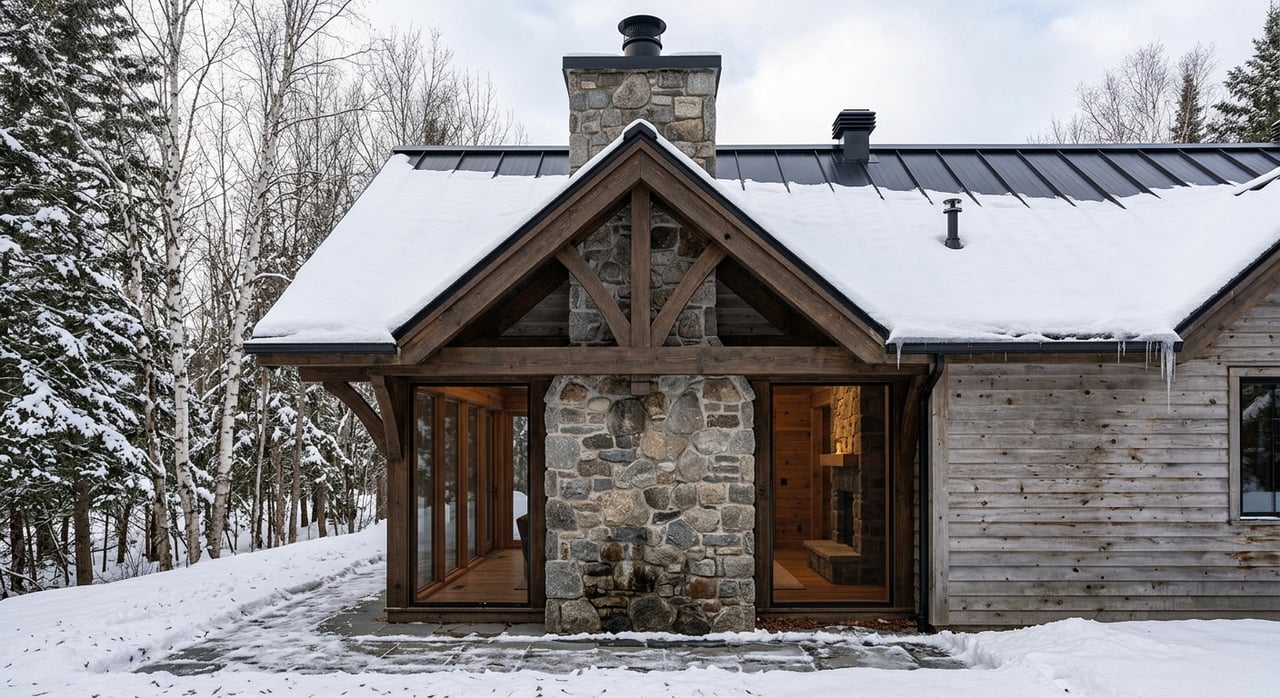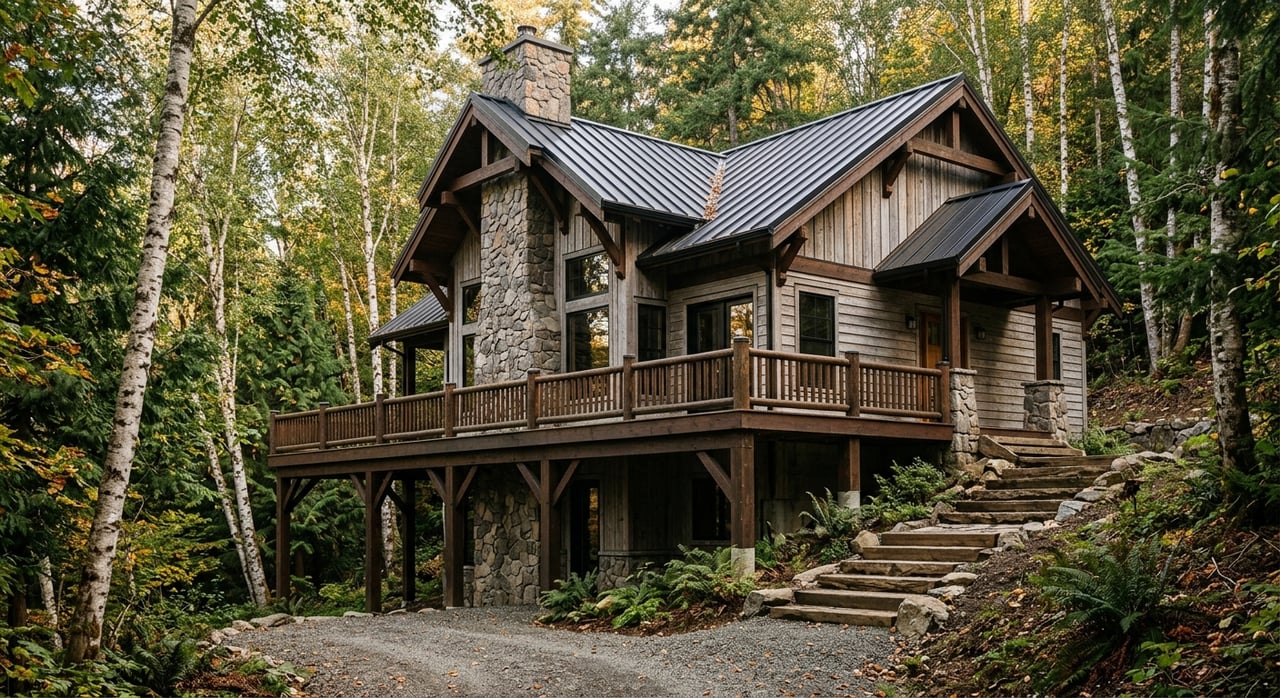
If you picture every Cooper Landing property as the same kind of mountain getaway, you could miss what matters most. In this small Kenai Peninsula community, a riverfront home, a lake-adjacent cabin, and a hillside parcel can offer very different day-to-day experiences. If you are thinking about buying here, understanding those differences can help you choose a property that fits your lifestyle, budget, and long-term plans. Let’s dive in.
Cooper Landing has a small, specialized market
Cooper Landing is a small unincorporated community at the west end of Kenai Lake along the Sterling Highway. The main part of town sits in a glacial valley, and the community includes a mix of homes, visitor services, restaurants, convenience stores, tackle shops, gas, a post office, and emergency services.
That mix gives Cooper Landing a unique feel. It works as both a residential area and a recreation destination, especially since summer visitation rises sharply. It also means inventory can be very limited, with only a handful of public listings available at one time, so a few unusual properties can shape your first impression of pricing.
Riverfront areas offer direct access
If your goal is quick access to fishing and boating, the riverfront areas are usually the strongest match. Near Cooper Landing, this stretch includes the outlet of Kenai Lake and the area around the bridge and boat launch corridor, where access to both the lake and river is a major draw.
This is also one of the most access-sensitive parts of the market. The Kenai River Special Management Area covers the upper Kenai River, Kenai Lake, and Skilak Lake, and Alaska State Parks manages this area to balance recreation, habitat, and public facilities. For buyers, that means riverfront value is often tied not just to scenery, but to how usable and regulated the property is.
Why riverfront commands a premium
Direct frontage is scarce, and scarcity tends to show up in pricing. One current example is a Little Jim Circle property with about 95 feet of Kenai River frontage, a boat launch, and strong utility for guide-service style use, listed at $1.095 million after earlier higher asking prices.
That listing is not a market average, but it does show how Cooper Landing buyers often pay more for high-utility waterfront. When a property gives you direct launch access, immediate river use, and a rare frontage footprint, it tends to stand apart from interior or access-only parcels.
What to review before buying riverfront
Riverfront can be exciting, but it also calls for more careful due diligence. FEMA notes that the Kenai River periodically floods the Cooper Landing area, and the planning framework for the area highlights riparian corridors and scenic buffers.
Before you move forward on a riverbank property, pay close attention to:
- Floodplain considerations
- Bank stability
- Access rules and launch proximity
- Property boundaries near the water
- Any intended use tied to rentals, guiding, or business activity
In a place like Cooper Landing, a riverfront property can be highly desirable and still require more review than a standard interior lot.
Lake-adjacent pockets feel more seasonal
Kenai Lake-adjacent properties often appeal to buyers who want a scenic, cabin-like setting. Because Kenai Lake is the headwaters of the Kenai River, these homes and lots can feel closely connected to the landscape and recreation that bring many people to Cooper Landing in the first place.
That said, this category covers a wide range. Some properties are drive-up homes along the Sterling Highway with lake views or beach access, while others are much more remote and may depend on boat, float plane, or snowmachine access. In practical terms, two listings that both sound “lake-oriented” can function very differently.
Access changes everything on lake properties
In Cooper Landing, access may matter more than acreage alone. A nearly 2-acre Kenai Lake property recently sold for $950,000, while a former Kenai Lake Lodge property with six dry cabins, lake views, and easy beach access carried a recent estimate around $1.08 million.
At the lower end, a 0.67-acre Caribou Island lot on Skilak Lake was marketed at $25,000 and described as accessible by boat, float plane, or snowmachine. That gap tells you a lot about this market. Water orientation adds appeal, but practical access often drives usability and value.
Read listing language closely
This is one area where wording matters. In Cooper Landing, phrases like waterfront, riverfront, river access, lake access, and lake privileges do not all mean the same thing.
Direct frontage usually carries the highest premium. By contrast, river access or lake privileges may still be valuable, but they often mean indirect, shared, or non-frontage access. If you are comparing properties, that distinction can affect price, maintenance, convenience, and resale potential.
Hillside areas offer privacy and flexibility
If you want more elbow room and easier daily living, hillside and off-highway parcels often make the most sense. These properties usually trade direct water frontage for privacy, mountain views, and more usable land.
That pattern fits the broader land-use context in Cooper Landing. The Kenai Area Plan calls attention to scenic buffers, viewsheds, riparian corridors, and concerns about strip development, which helps explain why many off-water parcels feel more secluded and residential.
Why full-time buyers often prefer hillside parcels
For year-round living, a hillside or central off-highway property can offer a simpler setup. You may have more space for parking, gear, snow storage, and outdoor use, without some of the maintenance issues that can come with direct waterfront ownership.
A current Langille Road example shows this middle ground well. It is a 2.58-acre home priced at $699,000 with panoramic mountain views, road service area access, well and septic, electric service, no waterfront, plus listing language that mentions lake privileges and river access.
Another example on Bean Creek Road reflects a more everyday version of the same segment. With 1.1 acres, private well and septic, paved access, and year-round usability near the Kenai River, it shows why non-frontage properties can appeal to buyers who want Cooper Landing without paying a premium for direct waterfront.
Utilities matter as much as views
In many markets, buyers focus first on bedrooms or finishes. In Cooper Landing, utility setup and access can matter just as much.
The NOAA community profile reported that about two-thirds of homes used wells and septic systems, while the rest hauled water or used privies. Current listings still commonly show private well and septic, especially on non-frontage parcels, so it is important to understand how a property functions in all seasons, not just during a summer visit.
When you compare hillside properties, look closely at:
- Well and septic status
- Electric service
- Road service area language
- Paved or maintained access
- Winter usability
- Parking and storage space
Land lots can be the entry point
If you want a foothold in Cooper Landing but do not need a finished home, land-only parcels may be your entry point. This segment can work well for buyers focused on future plans, simpler seasonal use, or access to the area without paying for a turn-key property.
A recent Snug Harbor Road land lot sold for $119,000 on 1.62 acres and was marketed with river access but no waterfront. Another Caribou Island parcel was positioned as an affordable island-living option with lake privileges and river access, but without electric, gas, sewer, or a well.
These examples underline a key truth about Cooper Landing real estate. Acreage alone does not tell the whole story. Access, utilities, frontage, and year-round practicality often shape value more than lot size by itself.
Match the area to your goals
The best part of Cooper Landing is that it offers several different ways to enjoy the area. The challenge is making sure the type of property matches how you actually plan to use it.
Best fit for full-time living
If you plan to live in Cooper Landing year round, hillside and off-highway parcels are often the most practical choice. They tend to offer more privacy, more yard space, and easier daily maintenance, especially when paired with maintained access and full utility service.
Best fit for seasonal use
If you are shopping for a second home or seasonal retreat, riverfront and lake-adjacent properties may be the better match. They are often closely tied to scenery, fishing, boating, and the recreation-first lifestyle many buyers want here.
The tradeoff is that you may need to think more carefully about flood exposure, visitor traffic in summer, and whether access is as easy as it first appears.
Best fit for investment potential
If your focus is investment or mixed-use potential, direct water access, highway visibility, and property form tend to matter most. Some Cooper Landing listings mention lodge, cabin-rental, B&B, or guide-service potential, but buyers should verify intended use rather than assume it is allowed.
That is especially important because some listings show unknown or unspecified zoning. If a property is central to your investment plan, make sure the access, utility setup, and any special management considerations support what you want to do.
How to compare Cooper Landing listings wisely
Because inventory is so thin, it helps to compare properties through a practical lens instead of a purely emotional one. A beautiful waterfront setting may be ideal for summer use, while a non-waterfront home with year-round access and utilities may be the better fit for daily life.
A simple way to narrow your search is to ask:
- Do you want direct frontage or just usable access?
- Will you use the property year round or seasonally?
- Do you need road-maintained winter access?
- Are well, septic, and electric already in place?
- Is privacy more important than being on the water?
- Are you evaluating personal use, rental use, or both?
When you answer those questions first, Cooper Landing starts to make more sense. The riverfront and hillside areas are not better or worse than each other. They simply serve different goals.
If you are weighing Cooper Landing options and want help reading the differences between frontage, access, utilities, and year-round usability, Gina Pelaia can help you sort through the details and find the right fit for your plans.
FAQs
What does riverfront mean in Cooper Landing listings?
- In Cooper Landing, riverfront usually means direct frontage on the Kenai River, while river access often means indirect or shared access rather than ownership along the water.
What is the difference between lake privileges and waterfront in Cooper Landing?
- Waterfront usually means direct frontage, while lake privileges generally refer to some form of access or use without direct waterfront ownership.
Are hillside homes in Cooper Landing better for year-round living?
- Hillside and off-highway parcels are often a strong fit for year-round living because they may offer more privacy, usable land, parking, and simpler maintenance than direct waterfront properties.
Is flood risk important for Cooper Landing riverfront property?
- Yes. FEMA notes that the Kenai River periodically floods the Cooper Landing area, so low-lying and riverbank parcels deserve extra review.
What utilities should you check on a Cooper Landing property?
- You should look closely at well, septic, electric service, road access, and winter usability, since many properties rely on private systems and access can vary widely.
Are land lots in Cooper Landing a good lower-cost option?
- They can be, but value depends heavily on access, utilities, and whether the lot has direct waterfront, shared access, or remote-only access rather than acreage alone.