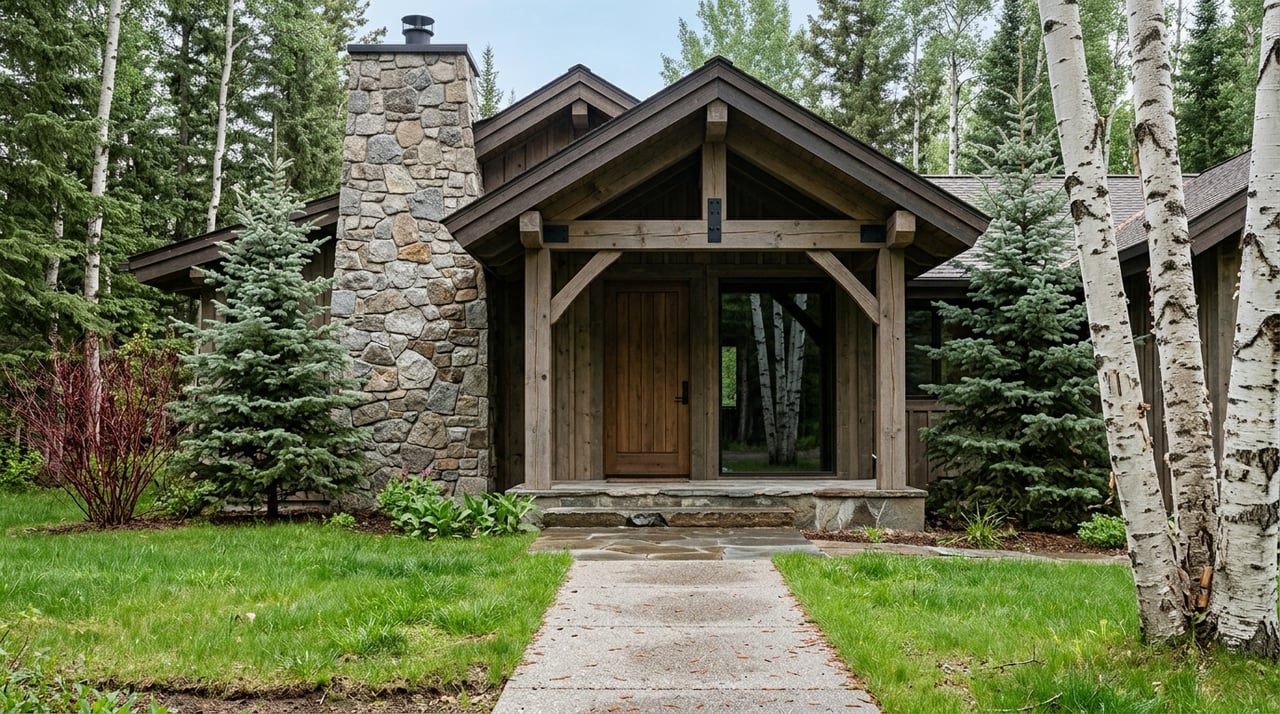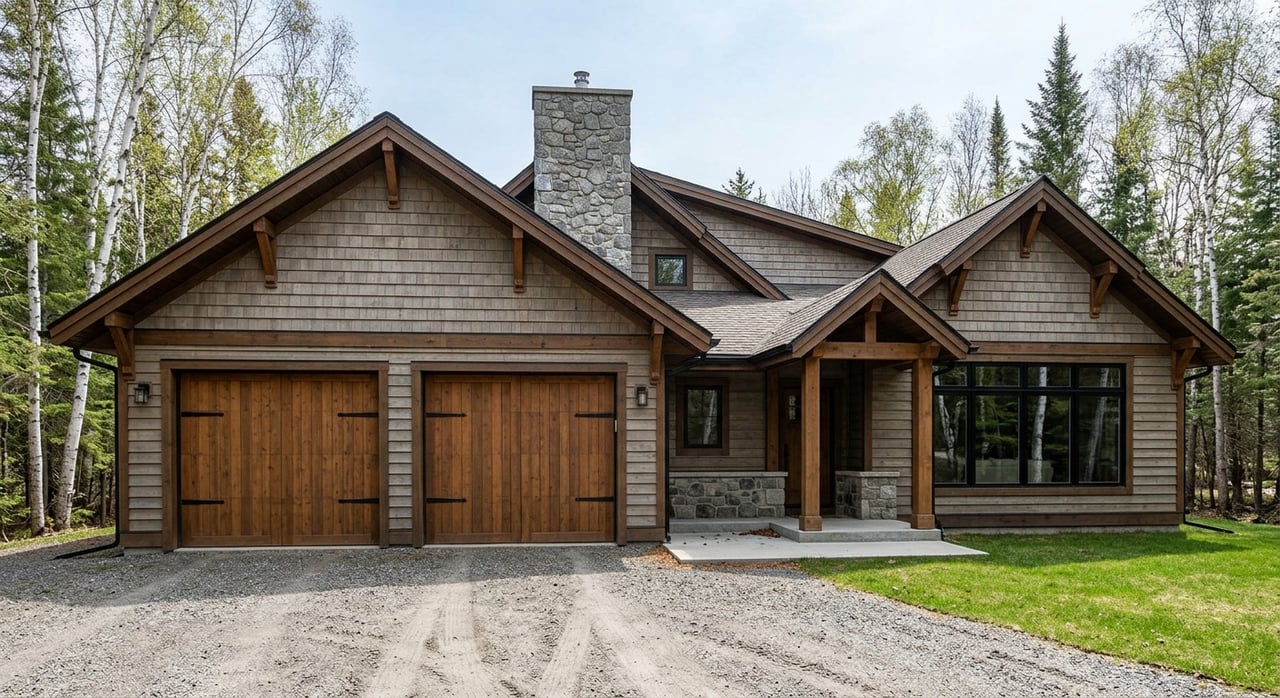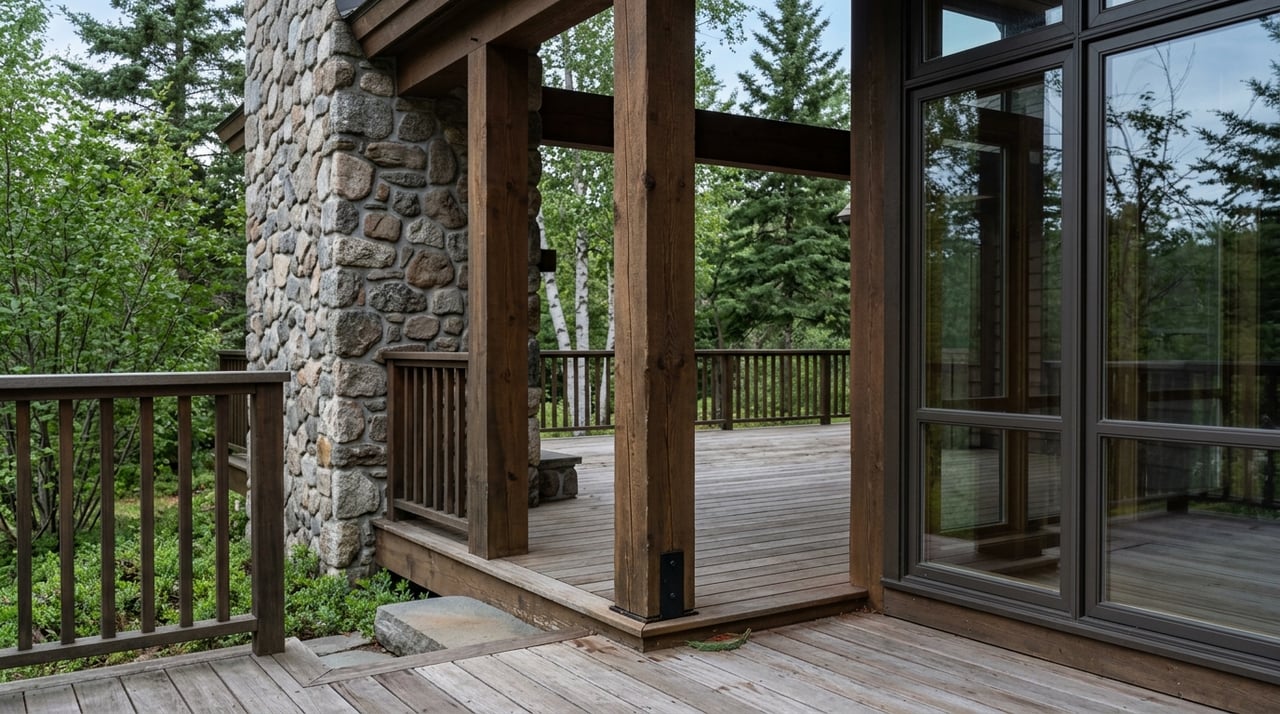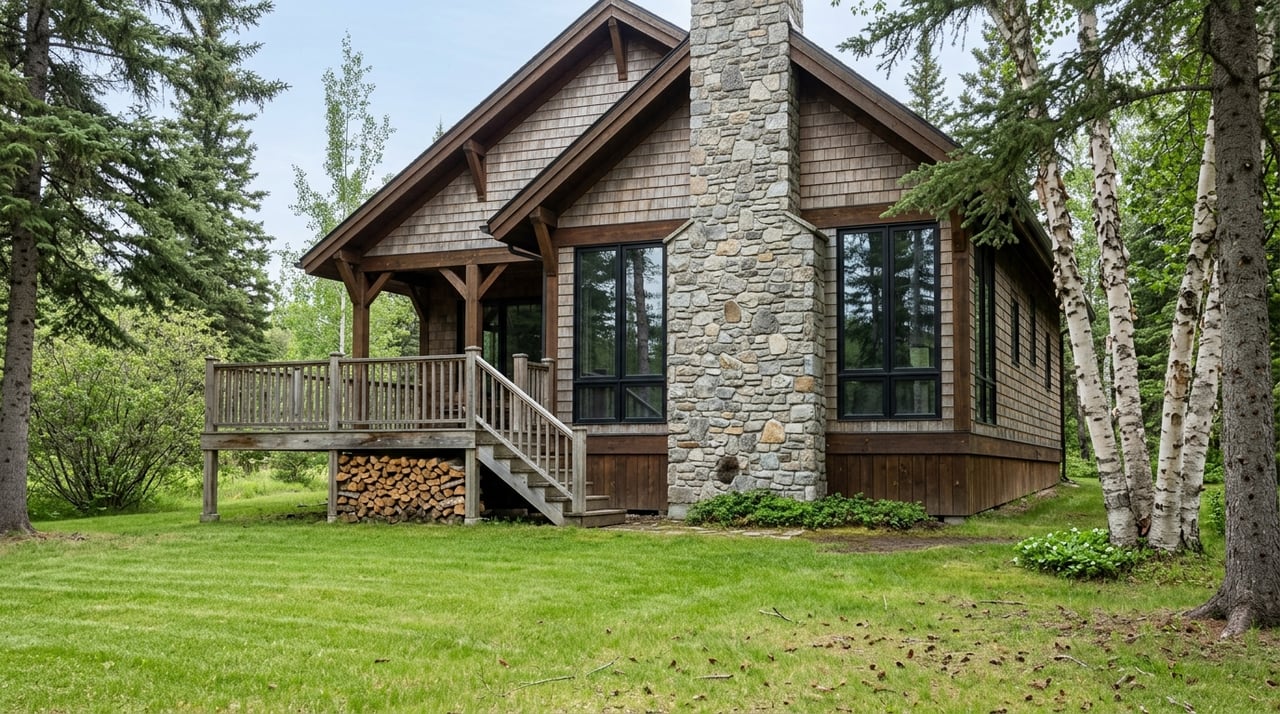
What does cabin life in Cooper Landing really feel like? If you are dreaming about a place where river days, mountain views, and quiet evenings all fit into the same routine, this small Kenai Peninsula community has a lot to offer. Just as important, it helps to understand the practical side of owning here, from seasonal access to weather and upkeep. Let’s dive in.
Why Cooper Landing Feels Different
Cooper Landing sits where Kenai Lake empties into the upper Kenai River, which gives the area a setting that feels both scenic and active. It is a small, road-accessible community, but it also serves as a major gateway for fishing, boating, hiking, and time on the water.
That mix shapes the mood of the area. You are not looking at a dense town center or a heavily built-up destination. With 344 residents spread across 65.8 square miles of land area, Cooper Landing often feels open, spacious, and closely tied to the landscape.
The drive in is also part of the experience. The Sterling Highway scenic byway highlights Kenai Lake, access to the Kenai and Russian Rivers, Resurrection Pass Trail, and Skilak Lake Road, so even arriving at your cabin can feel like part of the retreat.
Cabin Life Starts With the Setting
When people picture Cooper Landing, they often imagine water first. That makes sense because the Kenai River Special Management Area runs from Cooper Landing to Kenai and covers more than 105 miles of rivers and lakes.
In everyday terms, that means a cabin here can feel closely connected to outdoor routines. You might spend a morning near the river, an afternoon on a trail, and an evening back at your place with long summer light still lingering.
The area also carries a strong backcountry identity. The nearby Kenai National Wildlife Refuge spans nearly two million acres and is known for fishing, camping, and hiking, with trails that support everything from short outings to longer adventures.
What Summer Cabin Life Looks Like
Summer is when Cooper Landing feels especially lively. Warmer weather, long drives through the scenic corridor, and strong visitor traffic all reinforce the sense that this is a seasonal destination as much as a year-round community.
At the nearby Cooper Lake Project NOAA station, July average highs are about 64.9 degrees, with average lows around 47.6 degrees. That supports the kind of mild summer many cabin buyers want: cool mornings, comfortable afternoons, and evenings that still invite you outside.
Recreation is a major part of the appeal. Alaska State Parks describes the Kenai River Special Management Area as the state’s largest sport fishery, supporting all five Pacific salmon species, large rainbow trout, boating, picnicking, camping, wildlife viewing, and fishing.
For many buyers, that means cabin life here is not just about the structure itself. It is about having a home base for river access, trail days, and the kind of outdoor rhythm that brings friends and family together.
Popular summer activities nearby
- Fishing on the Kenai and Russian Rivers
- Boating and river access near Kenai Lake
- Hiking on trails such as Resurrection Pass and Russian Lakes Trail
- Wildlife viewing around the river outlet and surrounding public lands
- Day trips along scenic road corridors on the Kenai Peninsula
The Russian River Campground helps show just how active the area gets. It sits between the Russian and Kenai Rivers, sees more than 100,000 annual visitors, and operates with full service from May through September.
The Colder Season Has Its Own Appeal
If summer is the social season, the colder months bring a quieter version of Cooper Landing. This is when cabin life can feel more tucked away, more reflective, and more connected to the basics of comfort and access.
January average highs near 27.7 degrees and lows near 14.9 degrees point to a long cold season. The annual mean temperature at the nearby station is 38.4 degrees, which reinforces the idea that cold-weather planning is part of real life here, not an occasional concern.
Snow and precipitation matter too. A USFS assessment of the Russian River watershed notes annual precipitation from about 21.8 inches to 30.8 inches, with winter months receiving more precipitation than summer months, and snowpack increasing sharply with elevation.
For a buyer, that can shape what matters most in a cabin search. Insulation, reliable access, practical storage, and a setup that supports seasonal maintenance all become part of the lifestyle equation.
Access Matters More Than You Think
One of the biggest realities of cabin ownership in Cooper Landing is that access is part of the story. A cabin may feel private and peaceful, but you still need to think about how you get there, how traffic changes by season, and what ownership looks like over time.
The Sterling Highway through Cooper Landing was built in the 1940s and 1950s and has been described by the Alaska DOT as not meeting modern safety standards or current traffic volumes. DOT has also described the existing stretch as congested, especially during summer months.
That does not mean cabin life here is less appealing. It simply means the best property decisions account for travel timing, road conditions, and how much movement you want during peak recreation season.
The Kenai Peninsula Borough also provides practical support through its Road Service Area and lists a Cooper Landing transfer site. Details like road service and a local transfer site may not be the first things you picture when dreaming about a cabin, but they can make ownership feel much more manageable.
Practical questions to think through
- How easy is the property to reach from the Sterling Highway?
- What does summer traffic mean for your typical travel days?
- How will you handle seasonal cleanup and disposal needs?
- Is the cabin set up for the level of winter use you want?
- How much maintenance will the site require through changing seasons?
Wildlife Is Part of Daily Life
In Cooper Landing, wildlife viewing is not a special event reserved for a tour. It can be part of the normal backdrop. ADF&G notes that the boat launch at the beginning of the Kenai River may offer views of Dall sheep, mountain goats, waterfowl, shorebirds, gulls, terns, and bald eagles.
That everyday connection to nature is a big part of the area’s draw. It can make even simple moments, like morning coffee or an evening drive, feel more memorable.
At the same time, living close to wild land means staying aware and prepared. In the nearby Russian River Special Management Area, the U.S. Fish and Wildlife Service requires attractants and retained fish to be closely attended or stored in certified bear-resistant containers, limits overnight camping to designated facilities, and restricts fires to designated camping areas.
Spring and early summer also bring increased bear activity in the area, according to FWS. For cabin owners, that reinforces the need for secure food and trash handling and a thoughtful approach to day-to-day use.
A Cabin Here Is a Basecamp
One of the best ways to picture Cooper Landing cabin life is to think of your property as a basecamp. You are not just buying walls and a roof. You are buying easier access to rivers, lakes, trails, and a landscape that supports both active weekends and slower, quieter stays.
The area gives you options. The Kenai National Wildlife Refuge includes a broad trail network, while Recreation.gov points to nearby access for the Russian Lakes Trail and Resurrection Pass Trail, along with public-use cabins in the trail corridor.
That means your version of cabin life can vary from trip to trip. One visit might center on fishing and time near the water. Another might focus on hiking, wildlife viewing, or simply unplugging in a place that feels far from crowded routines.
What Buyers Should Picture Clearly
It is easy to romanticize cabin ownership in a place this beautiful, and some of that romance is well earned. Cooper Landing offers a striking setting, strong recreation access, and a sense of space that many buyers are looking for when they imagine Alaska.
Still, the most satisfying purchases usually come from seeing the full picture. Scenic living and practical diligence go together here, especially when you think about weather, seasonal traffic, wildlife awareness, and ongoing upkeep.
That is why local guidance matters. If you are considering a cabin, second home, or retreat property in Cooper Landing, it helps to work with someone who understands both the lifestyle appeal and the ownership realities across the Kenai Peninsula.
If you are ready to explore what cabin life could look like in Cooper Landing, Gina Pelaia can help you evaluate the setting, access, and property fit with the kind of local insight that makes your next move feel grounded and exciting.
FAQs
What is Cooper Landing like for cabin living?
- Cooper Landing offers a spacious, scenic setting centered around Kenai Lake and the upper Kenai River, with strong access to fishing, boating, hiking, and wildlife viewing.
What is summer like in Cooper Landing, Alaska?
- Summer is mild and active, with July average highs around 64.9 degrees and average lows around 47.6 degrees, making it a popular season for river recreation, hiking, and travel.
What is winter like in Cooper Landing for cabin owners?
- Winter is long and cold, with January average highs near 27.7 degrees and lows near 14.9 degrees, so insulation, access, and seasonal maintenance are important parts of ownership.
Is Cooper Landing easy to reach by road?
- Cooper Landing is road-accessible by the Sterling Highway, but the corridor can be congested in summer and has been identified by Alaska DOT as an older route that does not meet modern traffic demands.
What outdoor activities are near Cooper Landing cabins?
- Popular nearby activities include fishing on the Kenai and Russian Rivers, boating, hiking on trails such as Resurrection Pass and Russian Lakes Trail, camping, and wildlife viewing.
What should buyers know about wildlife around Cooper Landing?
- Wildlife is part of everyday life in the area, and nearby public-land rules emphasize secure food and trash storage, bear awareness, and careful handling of attractants and retained fish.