Wondering what kind of home makes the most sense in Soldotna? If you are buying on the Kenai Peninsula, it helps to know that Soldotna is not a one-size-fits-all market. Your best option depends on how you want to live, how much space you need, and what local zoning actually allows. Let’s dive in.
Soldotna Housing at a Glance
Soldotna is a compact city of 4,485 residents spread across 6.9 square miles, with 2,046 housing units according to the ACS 2024 5-year profile. About 88% of those units are occupied, 60% are owner-occupied, and 63% of the housing stock is made up of single-unit structures.
That matters because it helps explain what you are most likely to find when you start your search. Soldotna is still primarily a detached-home market, but it also includes other housing types for buyers who want different levels of space, flexibility, or upkeep.
Price is another area where context matters. The ACS places the median owner-occupied home value at $306,000, while Zillow reported an average home value of $360,777 as of April 30, 2026, and Redfin reported a median sale price of $404,258 for the three months ending May 2026. Those numbers are not the same metric, so it is important to compare values, list prices, and closed sales carefully.
Why Buyer Fit Matters in Soldotna
In Soldotna, the right home is not just about budget. It is also about matching your day-to-day needs with the kind of property available and the rules tied to that property.
City planning materials show that much of the developable land inside Soldotna has already been built on. Many of the remaining parcels are infill lots, government tracts, or wetlands, which means buyers often widen their search to edge-of-town areas or nearby corridor properties when they want more land or a different housing setup.
That wider search can be especially helpful if you need room for storage, hobby space, or future flexibility. Some parcels outside city limits along Funny River Road, Kalifornsky Beach Road, and the Kenai Spur Highway are served by city water, which can make those properties worth a closer look.
Detached Homes for Traditional Living
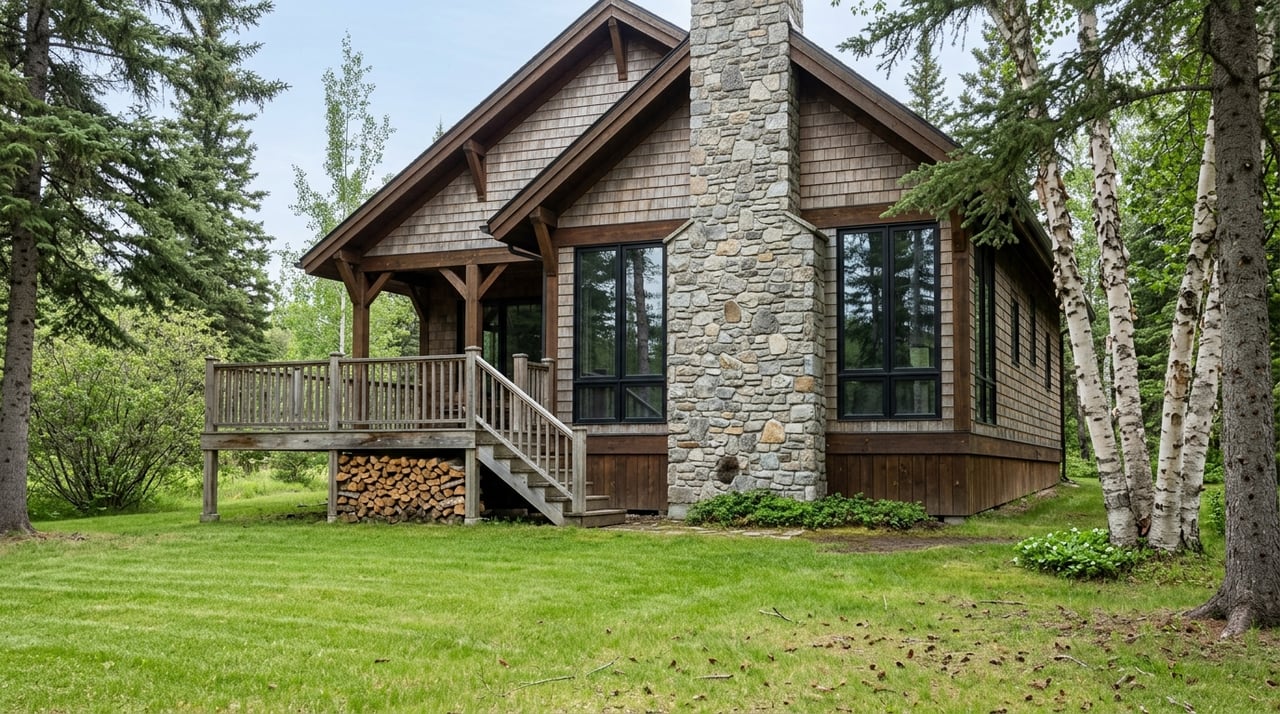
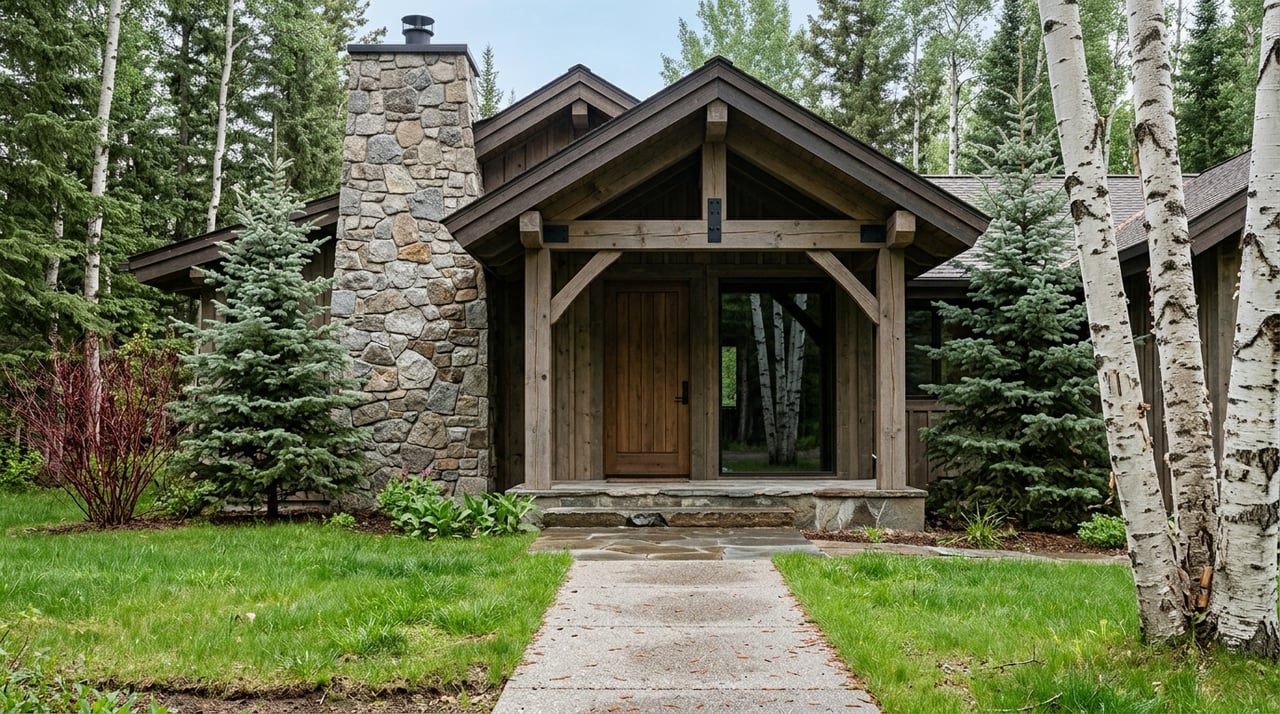
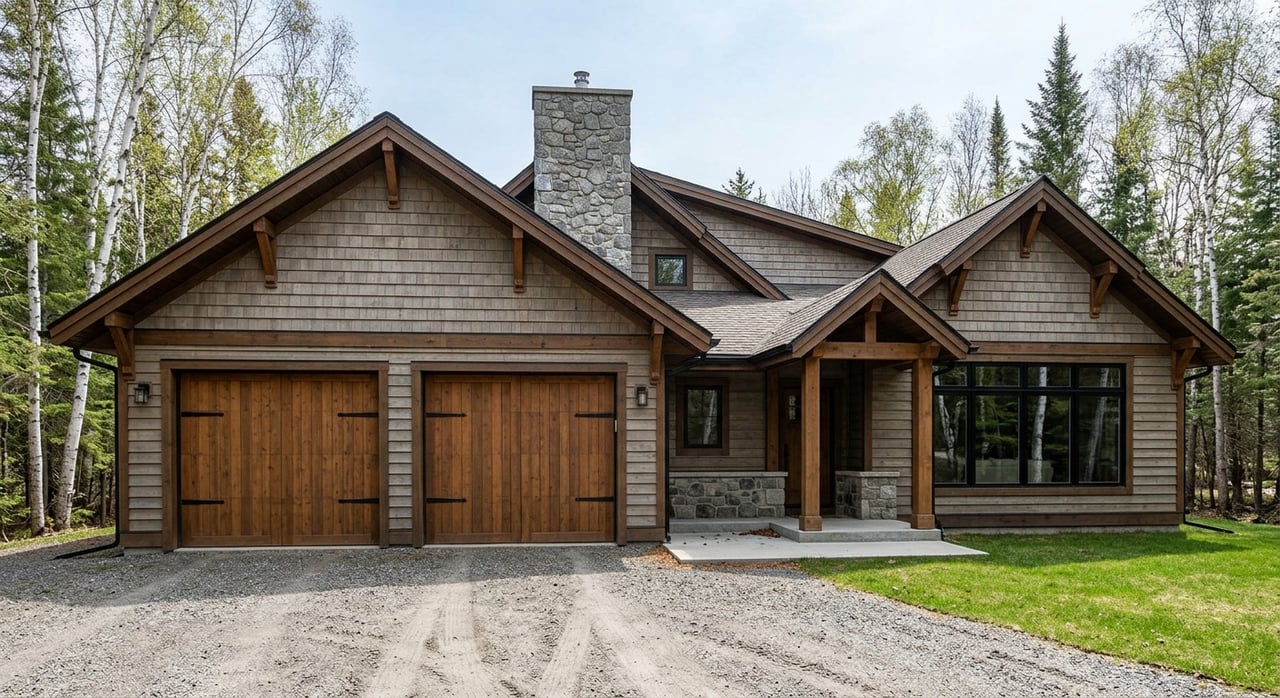
For many buyers, a detached home is the clearest fit. That is especially true if you want a familiar neighborhood setting, a yard, and a layout that supports long-term living.
Soldotna’s housing stock already leans heavily in that direction. Detached homes in Single-Family or Single-Family/Two-Family areas often align best with the city’s dominant housing pattern and with buyers who want a straightforward path to owner-occupancy.
If you are relocating, buying your first home, or looking for a base close to Soldotna’s service-oriented core, this category is often the easiest place to begin. It tends to offer the most direct match between what buyers expect and what the local market commonly provides.
Townhomes, Condos, and Multi-Family Options
Not every buyer wants a larger lot or a fully detached home. If your goal is a more compact footprint, Soldotna’s zoning code does recognize townhouse, condominium, and multi-family housing in appropriate districts.
These options may appeal to you if you want to spend less time managing outdoor space or if you prefer a more centralized setting. The city’s code supports a broader mix of housing forms than many buyers expect, which creates opportunities beyond the classic detached-home search.
The new Riverfront Mixed-Use district adopted in 2026 also adds another infill-oriented option in a central riverfront redevelopment area between the Sterling Highway and the Kenai River. For some buyers, that type of location may be a better match than a conventional subdivision-style property.
Rural Residential and Edge-of-Town Properties
If you want more elbow room, Rural Residential and larger-lot properties deserve early attention. These homes can be a strong fit if your priorities include storage, hobby space, or a more open setting while still staying connected to Soldotna.
This is where the search often expands beyond the city core. Because much of the city is already built out, buyers looking for extra land or a less compact setting may find better options on the edges of town or along nearby corridors.
Utility service is one of the biggest factors here. Some parcels outside city limits are already connected to city water, while others may rely on private systems, so it is smart to check that detail before falling in love with a property.
ADUs and Flexible Living Space
If you are thinking about a property with a guest space, extra living area, or income-supporting potential, accessory dwelling unit rules matter right away. In Soldotna, ADUs may be permitted in Single-Family, Single-Family/Two-Family, Rural Residential, and Multi-Family districts.
There are important limits, though. A detached ADU requires an existing habitable dwelling, and approval depends on minimum lot size and building-code compliance.
Just as important, ADUs are not allowed in the Kenai River Overlay District. So if flexibility is part of your buying plan, you will want to confirm zoning early rather than assume every residential lot can support a second unit.
Riverfront Property Comes With Extra Rules
Riverfront homes can be very appealing in Soldotna, but they are not always the simplest option. The Kenai River Overlay District is designed to protect riparian habitat and address erosion, contamination, and related impacts.
That means a riverfront property may come with more land-use restrictions than a similar property elsewhere. If you are drawn to the river for location, access, or visibility, it is wise to ask how overlay rules could affect future renovations, additions, or accessory structures.
This does not mean riverfront property is off the table. It simply means you should weigh the lifestyle appeal against the added planning details that may come with it.
Space for Shops, Storage, and Gear
On the Kenai Peninsula, a home search often goes beyond bedrooms and bathrooms. You may also care about where to keep a boat, outdoor gear, tools, or space for hands-on projects.
Soldotna’s code does allow some accessory flexibility in Single-Family, Single-Family/Two-Family, and Rural Residential districts, including certain removable sheds under 120 square feet. At the same time, the code limits how many principal-use buildings can be on one lot in those districts.
The takeaway is simple: do not assume a property can support a large workshop, RV setup, or several extra structures just because the lot looks spacious. If these features matter to you, they should be part of your screening process from day one.
Questions to Ask Before You Choose
When you narrow your options in Soldotna, it helps to look beyond the listing photos. A few practical questions can save you time and help you focus on homes that truly fit your goals.
Ask these questions early:
- Is the property inside city limits?
- Is it in the Kenai River Overlay District or the newer Riverfront Mixed-Use area?
- What zoning district applies to the property?
- Does that zoning allow the housing type you want, such as detached, two-family, townhouse, condominium, or ADU?
- Is there room for extras like a shed, workshop, boat storage, or future accessory space?
- Is the property served by city utilities, or will it rely on private systems?
- If the property is near the river, what rules apply to future improvements?
These answers can shape whether a home is simply attractive on paper or truly workable for the way you want to live.
Finding the Right Match in Soldotna
The best housing option in Soldotna depends on your priorities. If you want a classic neighborhood feel, detached homes will likely lead the list. If you prefer a more compact footprint, townhome, condo, or multi-family options may deserve a closer look.
If space and flexibility matter most, larger lots and Rural Residential settings may offer a better fit, especially when you verify utilities and zoning up front. And if riverfront appeal is part of your vision, it is worth balancing that lifestyle draw with the extra overlay rules that can come with it.
With the right local guidance, you can sort through those tradeoffs with more confidence and find a property that fits both your lifestyle and your long-term plans. If you are exploring housing options in Soldotna or anywhere on the Kenai Peninsula, connect with Gina Pelaia for experienced, local insight tailored to your goals.
FAQs
What types of homes are common in Soldotna?
- Soldotna is still primarily a detached-home market, with 63% of its housing stock made up of single-unit structures according to the ACS 2024 5-year profile.
Are there townhomes or condos in Soldotna?
- Yes. Soldotna’s zoning code recognizes townhouse and condominium housing in appropriate districts, along with other multi-family forms.
Can you have an ADU on a Soldotna property?
- In some cases, yes. ADUs may be permitted in several residential districts, but they are not allowed in the Kenai River Overlay District and must meet lot size and building-code requirements.
What should buyers know about riverfront homes in Soldotna?
- Riverfront homes can come with added land-use considerations because the Kenai River Overlay District is intended to protect habitat and address erosion, contamination, and similar impacts.
Are larger lots available near Soldotna?
- Yes. Buyers who want more land often expand their search to edge-of-town areas or nearby corridors, where some properties may also have access to city water.
Why is zoning important when buying in Soldotna?
- Zoning helps determine what housing type is allowed and whether a property can support features like an ADU, shed, workshop, or other accessory use.