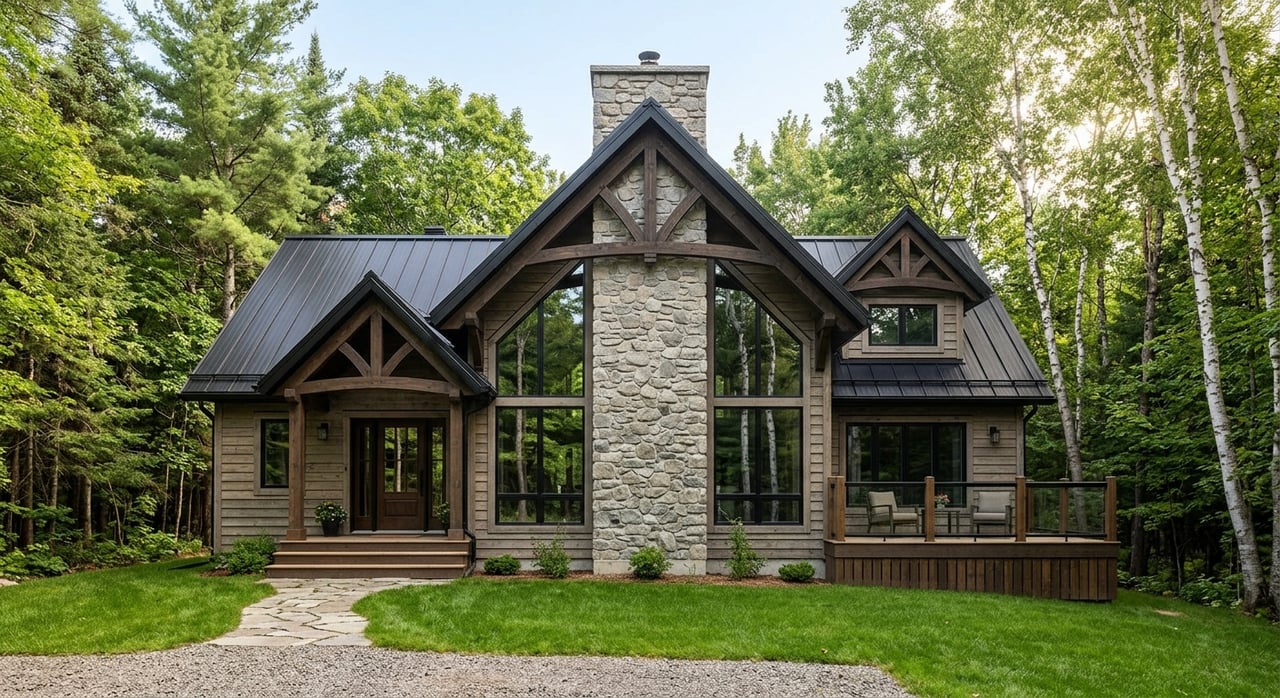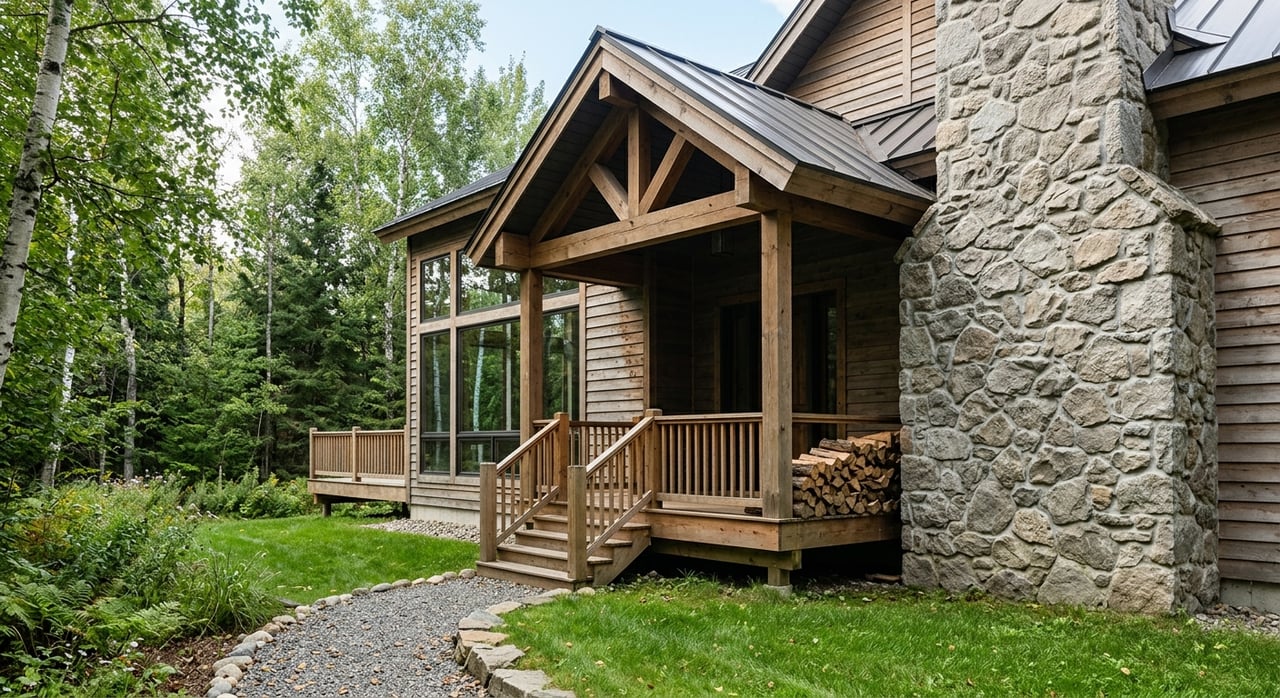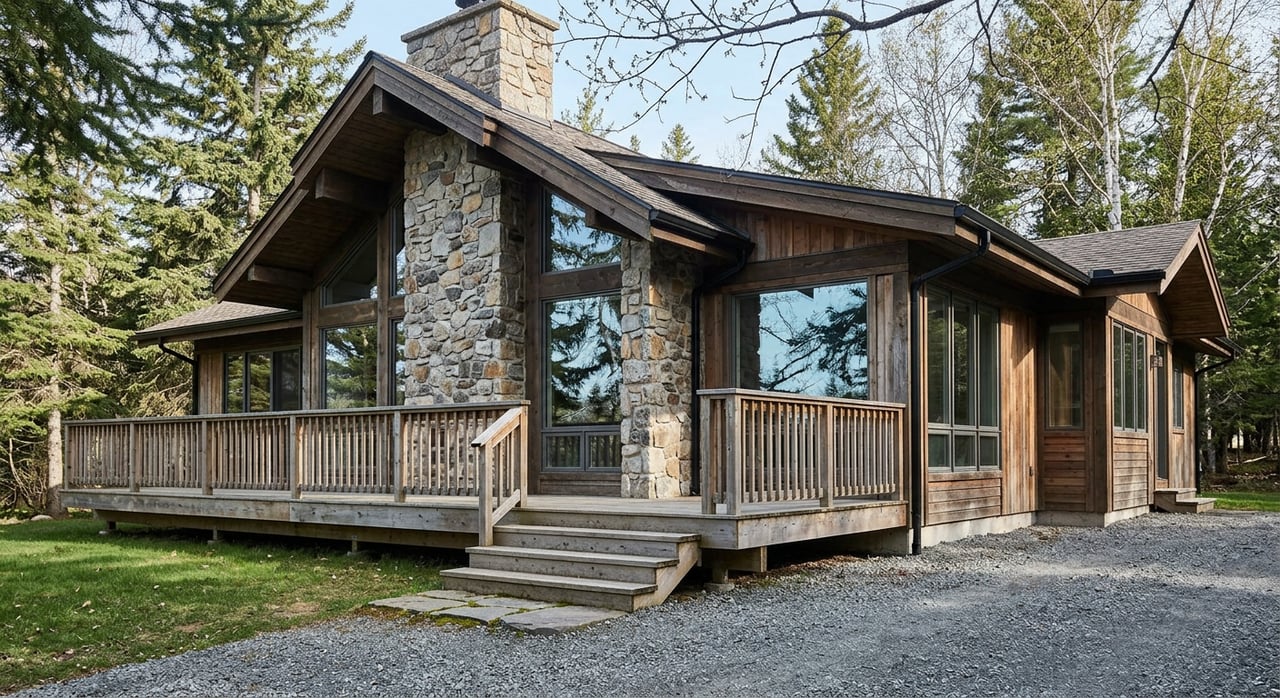
Buying a home in Soldotna from another state can feel like piloting a bush plane in the fog. You want solid footing, clear steps, and a trusted local guide. In this post, you’ll learn how to research neighborhoods and utilities from afar, write a strong offer with smart contingencies, arrange Alaska‑specific inspections, and close remotely with confidence. Let’s dive in.
Soldotna market at a glance
Soldotna is a smaller market where well‑priced homes can move quickly. That means you may need to act fast on the right property while keeping standard protections in place.
Property taxes are set by the Kenai Peninsula Borough. Use the borough’s parcel viewer to verify assessed value, taxing districts, legal description, and floodplain notes early in your search. You can also review the borough’s published mill rates to understand how taxes are structured across service areas. Check both before you offer so there are no surprises. Visit the borough’s public parcel lookup and the mill rates page.
Utilities vary by address. The City of Soldotna serves many but not all properties with water and sewer. Some homes remain on private well and septic, which changes inspections, maintenance, and sometimes financing. City planning documents outline where public mains run and note policies about connecting when lines are nearby. Review the city’s comprehensive plan for utility coverage areas in Envision Soldotna 2030.
Pre‑offer research you can do remotely
Start with a focused shortlist. Ask your local buyer’s agent for MLS links, high‑resolution photos, 3‑D or video tours, seller disclosures, and any utility maps or plat records they can pull. Virtual walk‑throughs help you compare layouts and condition before you travel.
Run each address through the Kenai Peninsula Borough parcel viewer to confirm zoning, taxes, legal description, floodplain indicators, and service areas. These are authoritative public records and a must‑do early step. Use the KPB parcel lookup.
Confirm how the home is served. Is it on public water and sewer, or a private well and septic system? Note heat sources too, such as oil, propane, electric, or wood, and ask about any buried fuel tanks. The city’s plan maps help you spot likely service areas. See Envision Soldotna 2030.
Consider your daily needs. Check proximity to medical services, grocery options, and key routes. Soldotna’s summer visitor season can also affect showing schedules and travel logistics, so plan ahead if you hope to tour during peak months.
Make a strong remote offer
Keep core contingencies in your offer. An inspection contingency gives you time to visit or review a thorough report. An appraisal contingency and a financing contingency protect you if the valuation or loan steps take longer.
Ask for documents up front. Request the seller’s property disclosure, any septic pump records, well test results, surveys or plats, HOA or CCR documents if applicable, utility bills, and permits for additions. Having these early helps you and your lender underwrite with confidence.
If you need time to travel for inspections, consider a reasonable extended inspection window. Many sellers will work with a well‑structured offer that respects their timeline.
Inspections and tests to schedule
Book a general home inspection with a local, licensed inspector. Ask for a live video call during the inspection and a photo‑rich report afterward. National guides place typical inspection fees in the low to mid hundreds, with add‑on tests priced separately. For planning, see this overview of inspection costs from AmeriSave.
If the property has a private well, plan lab testing. The Alaska Department of Environmental Conservation recommends testing for total coliform and nitrates annually and notes additional testing for contaminants like arsenic or radon in some areas. Use a state‑certified lab and get written results. Learn more from Alaska DEC’s guidance on private wells.
For homes with onsite wastewater, order a septic inspection or pump‑out and confirm permit history. Alaska regulates onsite systems and lenders often require proof the system functions as intended. Review the DEC wastewater FAQ for context on approvals and maintenance at this DEC resource.
Add specialty inspections as needed. In older homes or river‑adjacent areas, a sewer‑scope video can help avoid surprise repair bills. Consider checks for oil tanks, chimneys or woodstoves, and HVAC service. Your inspector can coordinate many of these on your behalf while you join by video.
Financing, appraisal, and timing
Most financed purchases require an appraisal. Some loan programs allow desktop or hybrid appraisals in limited cases, which can speed things up if eligible. Ask your lender early about available valuation methods for your loan and property type. For a plain‑language overview of desktop appraisals, see this guide from AmeriSave.
Plan your calendar around lender milestones. Appraisal scheduling often sets the pace. Cash offers can close faster, but inspections, title work, and recording still take time. Many remote purchases close in roughly 30 to 60 days depending on appraisal and lender processing.
Close remotely in Alaska
Choose a title and escrow provider that works on the Kenai Peninsula and handles out‑of‑state closings regularly. Ask about eRecording for documents and how the team coordinates with the Kenai Peninsula Borough’s public record systems. You can reference parcel data at the KPB assessor portal.
Alaska authorizes remote online notarization, which can enable fully remote or hybrid eClosings when your lender and title company approve. The Office of the Lt. Governor provides implementation guidance for notarizations for remotely located individuals. Review the state’s guidance here: Alaska RON implementation.
Many buyers use a hybrid model: most documents are signed electronically, any notarized pages are handled by approved remote notary or mobile notary, and title records the final documents. For a practical overview of virtual closings, see this explanation from LegalClarity.
Protect your funds. Follow title’s secure wiring instructions exactly, confirm details by phone with a known contact, and never rely on email alone for wire information.
Plan your travel like a pro
Soldotna sits on the Sterling Highway, roughly a 2.5 to 3 hour drive south of Anchorage. You can also connect through Kenai Municipal Airport about 10 miles away. Check local travel details and seasonal notes at the Visit Soldotna FAQ.
Summer is the easiest time to visit because of long daylight and milder weather, but it is also peak fishing and tourism season. Schedules book up quickly, so reserve inspections and tours well in advance. Winter visits are possible if you plan for short daylight, potential weather delays, and limited contractor availability.
When you do visit, bring a short checklist:
- Walk the exterior and interior with your inspector, or join by live video if you cannot travel.
- Confirm utility connections and photograph service points like the wellhead, septic access, heat system, and any fuel tanks.
- Note serial numbers and meter reads for your records.
- If available, meet a local neighbor or property manager to learn practical maintenance tips.
Build your Soldotna team
Line up the right local pros early:
- A buyer’s agent experienced with remote clients and the Kenai Peninsula process.
- A home inspector plus specialists for septic, wells, HVAC, woodstoves, and structural evaluations. For well testing standards, use Alaska DEC’s guidance on private wells.
- A mortgage lender who understands Alaska properties and appraisal options for your loan type.
- A title and escrow provider that supports remote or hybrid closings and coordinates with local recording.
- An attorney or transaction specialist for complex properties with easements, acreage, or subsurface rights.
Typical costs and timelines
- Home inspection and add‑ons. Budget for a base inspection plus specialty tests. National sources commonly place base fees in the low to mid hundreds, with add‑ons extra. For an overview, see AmeriSave’s inspection cost guide.
- Contract to close. Many financed remote purchases target 30 to 60 days. Timelines depend on appraisal scheduling, lender processing, and any well or septic remediation.
Red flags to pause for
- No recent well or septic records on a property off municipal utilities. Require testing and pump documentation. The city’s plan helps you confirm service areas in Envision Soldotna 2030.
- Floodplain indicators or riverbank erosion risk. Use the borough’s parcel viewer for floodplain notes and follow up with your agent and title using the KPB parcel lookup.
- Heating or fuel storage concerns such as older boilers, woodstoves without current inspections, or potential buried oil tanks.
- Appraisal eligibility issues when you plan a tight timeline. Confirm early if your loan allows desktop or hybrid valuation.
Quick action checklist
- Get pre‑approved and ask your lender about appraisal methods and acceptance of remote notarization.
- Hire a Soldotna‑savvy buyer’s agent and request video tours and disclosures.
- Run each address through the KPB parcel lookup and review mill rates.
- Submit an offer with inspection, financing, and appraisal contingencies.
- Order a general inspection plus any needed specialty tests; follow Alaska DEC guidance on private wells and onsite wastewater.
- Confirm closing logistics with title, including RON acceptance using the state’s RON guidance and wire procedures.
- If possible, plan a short in‑person visit for inspections or the final walk‑through.
Ready to make Soldotna your home base without missing a beat? With the right plan and local team, you can research smart, write a confident offer, and close from anywhere. If you want a seasoned partner who knows the Kenai Peninsula and the remote‑buyer playbook, connect with Gina Pelaia to get started.
FAQs
How do I check taxes and service areas for a Soldotna property?
- Use the Kenai Peninsula Borough’s public parcel lookup to see assessed value, taxing districts, floodplain notes, and links to maps; review the mill rates page for how taxes are structured.
What inspections are essential for homes on well and septic in Soldotna?
- Order a general inspection, certified lab testing for private wells per Alaska DEC guidance, and a septic inspection or pump‑out with permit history; add a sewer scope, chimney/woodstove check, and fuel tank assessment if relevant.
Can I complete my Soldotna home closing fully remote?
- Often yes, because Alaska authorizes remote online notarization when your lender and title accept it; see the state’s RON guidance and confirm acceptance with your closing team early.
How long does a remote purchase usually take in Soldotna?
- Many financed purchases close in about 30 to 60 days, driven by appraisal scheduling, lender processing, and any inspection‑related repairs or well/septic remediation.
When is the best time to travel to Soldotna for a site visit?
- Summer offers the easiest logistics and longest daylight but is peak season, so book well ahead; winter visits work too if you plan for shorter daylight, weather delays, and limited contractor availability, per the Visit Soldotna FAQ.